
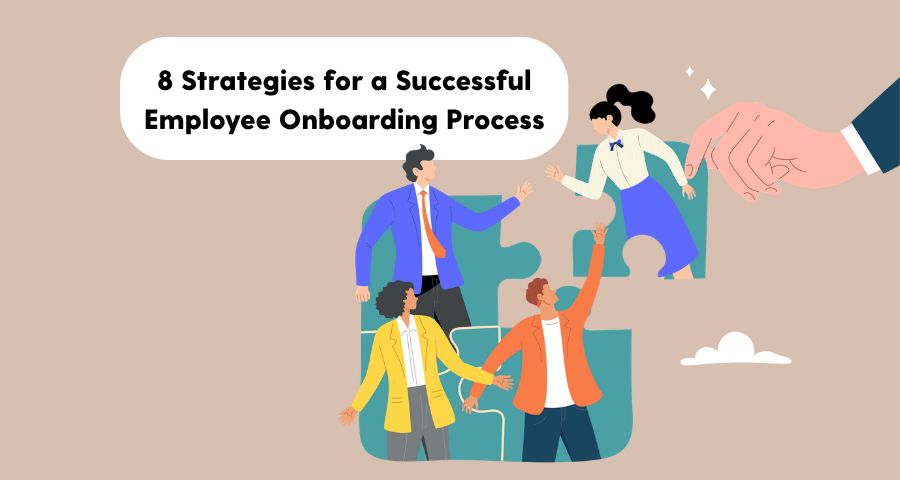
Employee onboarding can be daunting for both new hires and organisations.
It’s also one of the most important stages of the employee experience. It shapes how new hires see your business, how quickly they settle in, and whether they feel comfortable asking questions or raising issues early.
A big portion of hiring costs sit in onboarding and training, so getting it right matters. This guide is here to help you sense-check your onboarding process, what’s working and where you could improve.
1. Be prepared
Onboarding doesn’t start at 9 am on day one. It starts before they walk in the door.
Nothing throws off a first impression like not having logins ready, no desk set up or spending half the day stuck in admin. It happens, but it’s avoidable.
There will always be a few hiccups, but do your best to have:
- Systems, accounts and access added are ready to go.
- Role-specific access added is planned ahead of time. There’s nothing more disruptive than constantly realising someone can’t access essential tools. This can be the difference between onboarding taking a few days versus a few weeks.
- Quality equipment tested, set up and ready.
- A clear outline for their first few days.
Additional tip: If you can, keep a simple, up-to-date overview of what systems each team uses, what requires individual logins and what’s shared. Most roles now involve working across many platforms, so it’s worth keeping track of them for onboarding and beyond.
Removing as much friction as possible allows your new hire to focus on role-specific learning. Access or paperwork issues can otherwise lead to constant false starts.
2. Be realistic
We get it. When you have a new hire, everything you have to tell them feels important.
However, starting a new role is intense. There are new systems, policies, processes, people… and then all the unwritten “how things actually work” stuff on top of that. It’s a lot, and things will get lost.
Be realistic about how much someone can take in. Everyone learns differently, and no one retains everything in week one.
If something is critical, don’t bury it in a pile of documents. Make it stand out and easy to find. A simple cheat sheet or quick start guide alongside your formal induction material can make a big difference.
3. Don’t stop after week one
Onboarding isn’t a one-week task list.
People don’t fully settle in after a few days or one round of introductions, so your process shouldn’t stop there either. Regular check-ins on how they’re feeling, what’s making sense, and what’s not are key.
Also remember your own bias. If you’ve been in the business a while, it’s easy to forget how much you know now and how long it took you to learn everything. Sometimes what you think is clear is not so simple. Your knowledge has been built over years, not days.
4. Make it a team effort
Onboarding isn’t just about getting someone up to speed on their role’s policies and tasks. It’s about helping them feel part of the team. We often assume comfort comes with tenure, but it doesn’t have to take months. Being intentional about including new hires early and making it a full-team effort helps them contribute sooner with confidence. Onboarding works best when it’s a collective endeavour, not just something managed by leadership.
It’s also a good opportunity to reflect on your workplace culture. How does your team bring someone new in? What behaviours and habits are being passed down?.
5. Try mixing up how you bring someone on by:
- Assigning a buddy
A peer gives new hires someone to ask small, clarifying questions they might not want to take to a manager. This prevents confusion and bad habits that form when people are afraid to ask questions. It relies on having a strong team culture, as that’s often what gets passed down in practice, and it can give you a clearer view of how your culture shows up day to day. - Creating opportunities for connection
Onboarding is a great excuse to invest in team culture, which can easily get neglected outside the annual Christmas party. Whether informal or more structured, these moments help people feel included and bring the team together – always a win.
- Provide the full picture
Go beyond the role itself. Help new hires understand how different parts of the business connect and share stories or history where relevant. This reduces early role isolation and encourages communication across the organisation.
6. Learn to listen
A lot of your best insights will come from what new hires ask.
If the same questions or issues keep coming up, there’s likely a gap in your process. If someone gets stuck or makes an error, take a step back and ask why. Was something unclear, or was it never properly covered?
These moments are valuable learning experiences and will help you refine your onboarding each time.
Onboarding issues often show up as small, repeated friction points. Pay attention to them and smooth them out over time.
7. Ask for feedback
That said, you don’t need to guess what’s working. Just ask.
New hires are in the best position to tell you what felt clear, what didn’t, and what they wish they had earlier. Even a quick check-in or informal conversation can give you useful insight.
Keep the conversation open and ongoing, not just a one-off. It also shows that you care about improving the experience, which helps build trust early.
8. Set your people up properly
Good onboarding doesn’t need to be perfect. Things will unfold as they do, but having intention and a solid plan goes a long way.
A bit of structure, preparation, and follow-up can make a big difference in how confident and capable your new hires feel, and how quickly they start meaningfully contributing.
Set your team up for success from day one with Boost Benefits, designed to support your people so they can perform at their best.